Don’t Let Floods Surprise You, Choose Aluminum Flood Plank Barriers Today
Storms in Southwest Florida don’t always give a heads-up. One hour, you’re enjoying a sunset over the Caloosahatchee; the next, you watch water creep up your driveway. You know the feeling if you live in Fort Myers, Cape Coral, Punta Gorda, Naples, or Marco Island. That’s why an aluminum flood plank barrier system belongs on your short list. It gives you a clean, repeatable way to block water before it crosses your threshold, without the mess of sandbags or the stress of last-minute scrambling. At Lee Flood Protection, we install these systems weekly and see how much peace of mind they bring.
What Are Aluminum Flood Plank Barriers
Core Components and How They Fit Together
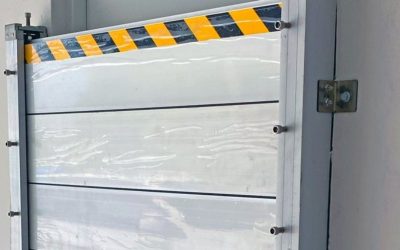
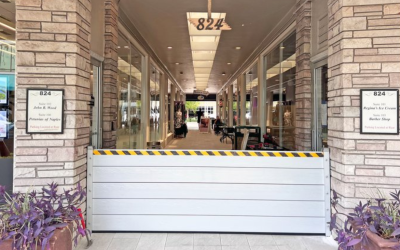
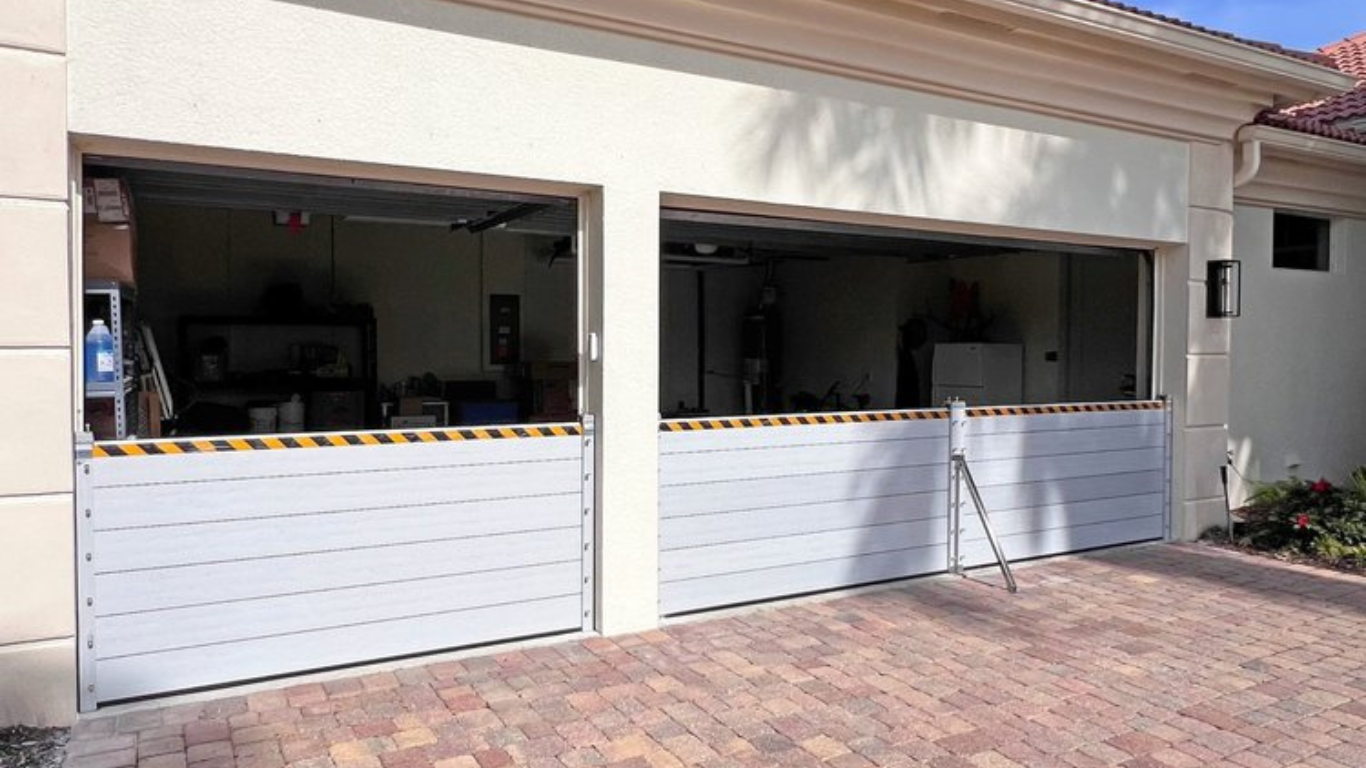
An aluminum flood plank barrier system uses slim, permanent U-channel posts on each side of an opening and stackable aluminum planks that slide between them. Compression gaskets help form a tight seal. A sill plate along the bottom creates a level, sturdy base. You stack planks to the height you need, lock the hardware, and are ready. The posts stay low-profile all year, so your entry still looks clean.
Why Choose Aluminum Over Sandbags
Speed, Cleanliness, and Reusability
Sandbags seem simple until you lift wet, muddy bags in the dark. Aluminum planks go up in minutes, even if you’re working solo. They keep your porch and pavers clean. You rinse, dry, and store them for next time. The material resists corrosion, which matters in salty air from Sanibel and Bonita. Over seasons, an aluminum flood plank barrier system costs less than buying, hauling, and tossing sandbags after every storm.
How They Work During a Storm
From First Drop to Full Seal
You don’t need a toolbox or a crew. Before the rain hits, clear leaves and grit from the threshold, check your labeled plank stack, and slide the planks into the side posts. Tighten the clamps so the gasket compresses. Do a quick light test, if you can’t see daylight at the edges, you’re sealed. When the weather passes, reverse the steps, give the parts a quick rinse, and store them in a rack in the garage.
Best Places to Install Around Your Home
Target the Highest-Risk Entry Points
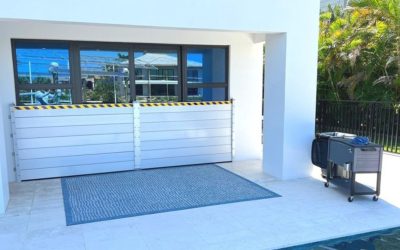
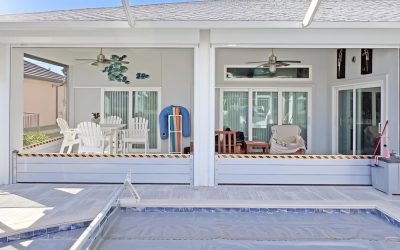
Start with spots where water sneaks in first. Front and back doors facing prevailing winds, lanai sliders that sit low, garage openings off streets, and pondering during king tides are prime targets. Protect that threshold if you’ve got a courtyard that funnels water. Utility rooms and generator pads also benefit from a short run of planks. If you’re unsure where to start, Lee Flood Protection can walk the property and map typical flow paths after heavy Gulf downpours.
Installation With Lee Flood Protection
Our Local Process and Typical Timeline
We begin with a site walk and measurements. We note paver joints, trim, and any out-of-square openings. Then we custom-fit the posts and sill, anchor everything cleanly, and test-fit a whole stack of planks. We label each plank in order and train you on fast deployment. Most single-residence installs wrap the same day. Complex spans or multiple openings sometimes take longer, but we keep the process smooth and tidy so you can return to normal.
Maintenance and Storage
Keep Your Barriers Ready to Roll
After each use, rinse salt and grit, dry the gaskets, and check hardware torque. A light silicone safe for rubber keeps gaskets supple. Labeling saves minutes when a squall line forms over Estero Bay. Store planks on a wall rack so they don’t bow and so you can grab them fast. Do a preseason check each May; five minutes now beats scrambling in August.
Cost, Value, and Insurance Conversations
What to Budget and Why It Pays Off
Costs vary by width, number of openings, finishes, and any custom trims. But the long-term math favors aluminum. One avoided garage flood can save flooring, drywall, and stored gear. Many homeowners let their insurer know about the mitigation; photos and a quick summary of your aluminum flood plank barrier system can support that conversation. Even without premium changes, the avoided mess alone is worth it.
Pairing With Other Flood Defenses
Build a Layered Strategy
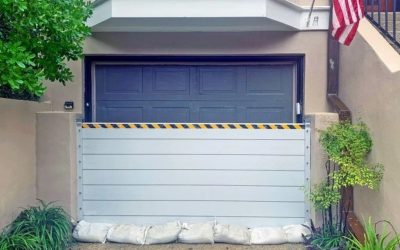
Planks shine at the door and garage thresholds. Pair them with water diversion barriers along driveways to steer sheet flow away. Add trench drains or check valves where they make sense. A minor grading touch-up on a paver lanai often stops nuisance pooling. The goal isn’t one gadget; it’s a simple, layered plan that fits your property.
Local Scenarios and Quick Wins
Southwest Florida Use Cases
In Cape Coral, canal lots often deal with backflow and wind-driven spray; a garage-height plank stack blocks both. In Naples and Marco Island, short stacks at coastal entries buy crucial inches during a surge. Fort Myers homes off McGregor often see afternoon downpours run toward the front step; a low sill and two or three planks stop it cold. We’ve had customers in Punta Gorda tell us they finally slept through a storm because they trusted the setup.
Why Lee Flood Protection
Local Expertise, Clean Installs, Friendly Support
We live and work here, too, so we build systems for how storms behave along the Gulf. Lee Flood Protection handles clean, code-aware installs, shows you how to deploy, and offers seasonal checkups. We keep it simple, practical, and neighborly, because that’s what works when the radar turns red.
Be Ready Before the Clouds Gather
You can’t stop the rain, but you can block the entry points. An aluminum flood plank barrier system gives you a fast, tidy, and repeatable defense for the spots that matter most. If you’d like a quick home walk-through, Lee Flood Protection will help you build a plan that fits your space, pace, and budget.
To stay updated with us, please follow our Facebook page.